How to Keep Kids Active and Engaged After the Holidays
The holidays are magical—but once the decorations come down and routines return, many families notice the same challenge: kids with extra energy, shorter attention spans, and fewer structured activities to keep them engaged. January can feel especially long, with cooler weather, shorter days, and the excitement of the season behind us. The good news? With a little intention, January can be a great reset month for helping kids stay active, creative, and happy.
Here are practical, parent-approved ways to keep kids moving and engaged after the holidays—without adding stress to your schedule.
Why January Engagement Matters for Kids
After weeks of holiday treats, relaxed schedules, and screen time, kids benefit from reintroducing structure and movement. Physical activity supports:
- Better focus and behavior
- Improved mood and reduced restlessness
- Stronger sleep routines
- Healthy habits that carry into the rest of the year
Engagement doesn’t mean overscheduling—it’s about giving kids meaningful outlets for play, creativity, and social interaction.
- Re-Establish a Play Routine (Without Overdoing It)
January is the perfect time to reset daily rhythms. Kids thrive when they know what to expect, especially after the unpredictability of the holidays.
Simple ways to rebuild structure:
- Set consistent after-school or weekend play windows
- Rotate activities (active play, creative play, free play)
- Keep routines flexible but predictable
A balanced routine helps kids feel grounded while still leaving room for fun.
Prioritize Active Indoor Play During Winter
Cold weather doesn’t mean kids have to slow down. Indoor physical play is essential for burning energy and staying healthy during winter months.
Great indoor activity ideas include:
- Obstacle courses made from pillows and furniture
- Dance breaks or movement games
- Structured play centers with supervised activities
Active play helps kids release energy in positive ways—especially important during the post-holiday slump.
- Encourage Creative Play and Imagination
After the excitement of gifts and events, open-ended play helps kids rediscover imagination and independence. It’s an ideal time to lean into creativity.
Ideas to spark creativity:
- Building challenges and hands-on activities
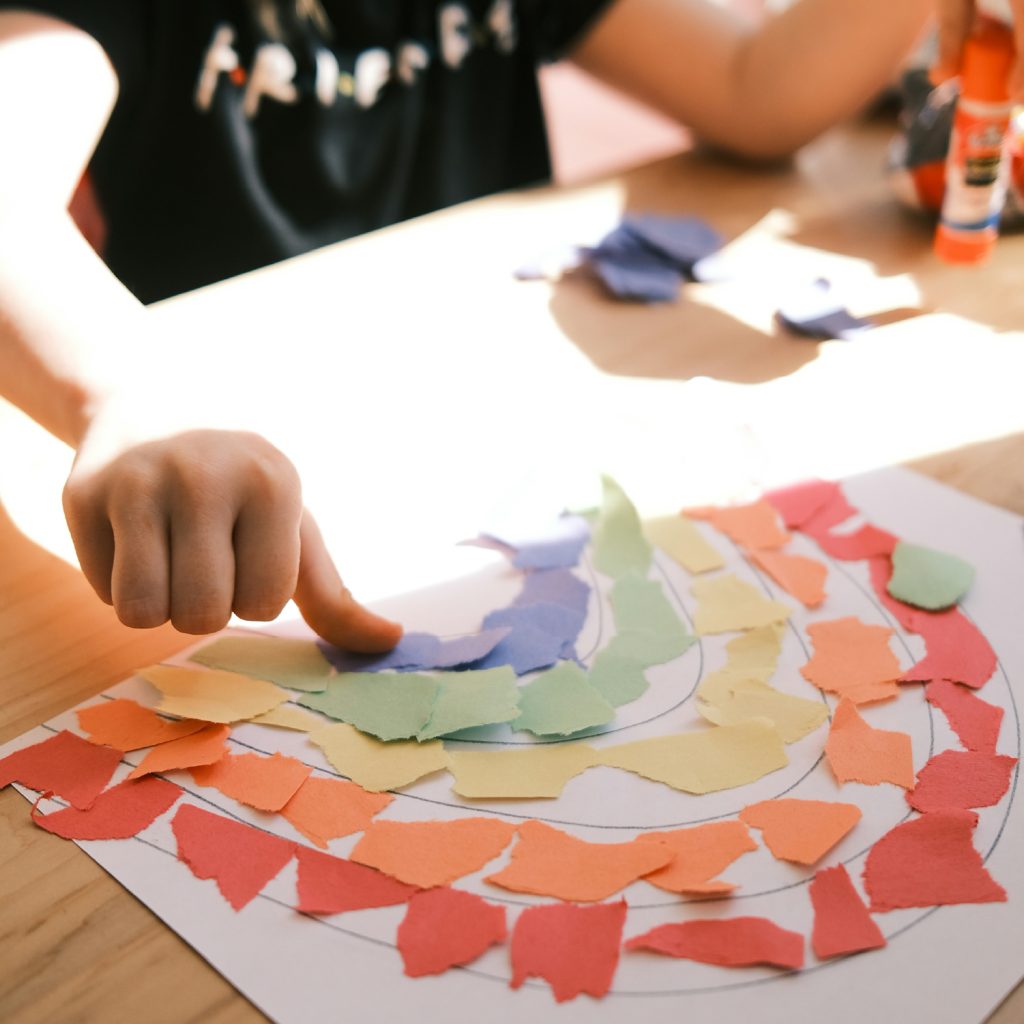
- Art projects with simple supplies
- Imaginative role-play with friends
Creative play builds problem-solving skills, confidence, and emotional expression—all while keeping kids engaged.
- Make Social Interaction a Priority
Having time off from school and activities, kids benefit from reconnecting with peers. Social play helps rebuild communication skills, cooperation, and confidence.
Ways to support social engagement:
- Group play environments with supervised interaction
- Cooperative games and team challenges
- Shared activities that encourage collaboration
Being around other kids in a fun, structured setting helps make the transition back to routine smoother.
- Limit Screen Time with Purposeful Alternatives
Screens tend to increase in January, especially when it’s cold outside. Rather than eliminating screens altogether, balance them with engaging alternatives.
Helpful swaps include:
- Short play sessions before screen time
- Activity-based rewards instead of extra screen hours
- Hands-on experiences that feel exciting and new
When kids have something fun to look forward to, reducing screen time becomes much easier.
- Use Experiences as Motivation
Instead of toys or treats, activities and play experiences can motivate positive behavior and effort. What a great time to introduce experience-based rewards.
Experience rewards work well for:
- Encouraging good grades and school effort
- Reinforcing positive behavior
- Giving kids something to anticipate
Experiences create memories—and often lead to healthier habits than physical rewards.
- Give Parents a Break, Too
Keeping kids engaged isn’t just about them—it’s also about supporting parents. January can be busy, and finding safe, supervised environments where kids can play allows parents time to recharge.
Whether it’s running errands, enjoying a date night, or simply taking a breather, knowing kids are active and happy makes a big difference.
Making January a Positive Reset
The weeks after the holidays don’t have to feel dull or overwhelming. With the right mix of activity, creativity, and routine, January can become a month of growth, energy, and fun for kids. By focusing on movement, imagination, and social play, families can beat the winter slowdown and start the year strong—one active, engaged day at a time.
Looking for ways to keep kids active and entertained this winter? Supervised play environments like Kids Quest and Cyber Quest offer a perfect blend of movement, creativity, and fun—giving kids an outlet to play and parents peace of mind all January long.