The Science of Sugar & Energy — And Why Kids Love to Play After Treats
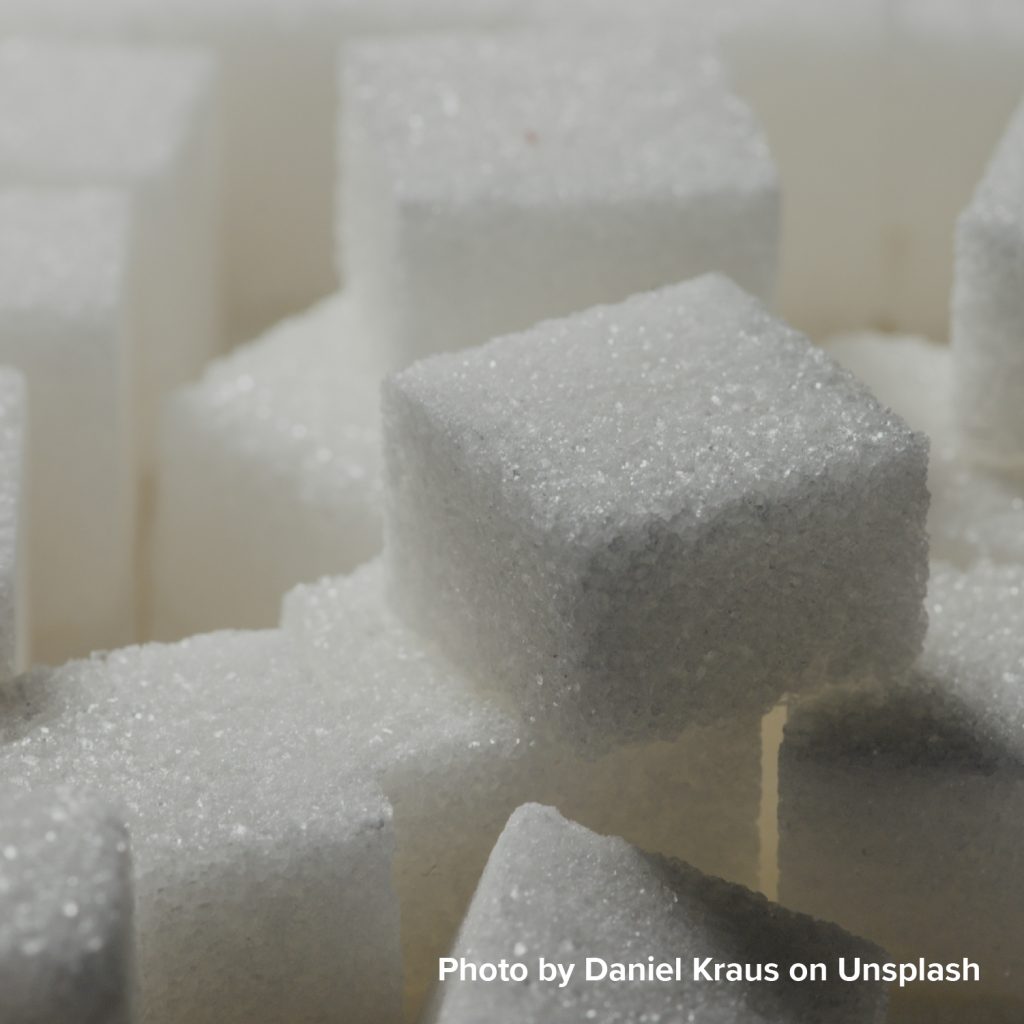
Few things spark excitement faster than a sweet treat. Whether it’s a piece of candy, a cupcake, or a scoop of ice cream, kids light up—and often seem ready to move, play, and explore. While the phrase “sugar rush” gets tossed around a lot, the relationship between sugar, energy, and play is a little more nuanced (and more interesting) than most people think.
How Sugar Fuels the Body
Sugar is a type of carbohydrate, and carbohydrates are the body’s preferred source of quick energy. When kids eat something sweet, their digestive system breaks it down into glucose, which enters the bloodstream and becomes fuel for the brain and muscles. This process happens relatively fast compared to proteins or fats, which take longer to digest.
For children—whose brains and bodies are constantly developing—this readily available energy can help power activities that require focus, coordination, and movement. That’s one reason kids often feel ready to jump into play after a snack.
The “Sugar Rush” Myth
Interestingly, scientific studies suggest that sugar doesn’t actually cause hyperactivity in children in the way many people assume. What parents often interpret as a sugar high is frequently the result of excitement, environment, and anticipation—especially during parties, holidays, or special events where sweets are present.
In other words, it’s not just the sugar. It’s the context. Fun settings, social interaction, bright colors, games, and freedom to move all play a major role in that burst of energy kids display.
Why Play Comes Naturally After Treats
Play is how kids naturally use energy. When children have access to movement-based activities—running, climbing, games, or creative play—they instinctively channel that fuel into motion. Physical activity also helps regulate blood sugar levels, improves mood, and supports healthy development.
After enjoying a treat, kids often feel both physically energized and emotionally excited. Play becomes the perfect outlet, allowing them to express joy, creativity, and confidence. It’s not about bouncing off the walls—it’s about engaging the body and mind in a way that feels good.
The Brain Loves a Little Sweetness
Glucose doesn’t just power muscles—it fuels the brain, too. The brain uses a significant amount of the body’s energy, and steady access to glucose supports attention, memory, and learning. This is especially important for kids as they navigate new experiences, rules, games, and social interactions during play.
That combination of mental alertness and physical readiness is why kids often dive so enthusiastically into activities after a snack or treat.
Balance Is the Real Secret
Of course, balance matters. Sweet treats are best enjoyed as part of a bigger picture that includes nutritious meals, hydration, rest, and plenty of opportunities to move. Pairing treats with active play helps kids naturally burn energy while reinforcing positive habits around movement and fun.
Rather than viewing sugar as something that must be avoided or feared, it can be seen as one small piece of an enjoyable experience—especially when combined with laughter, creativity, and physical activity.
Turning Energy Into Memories
When kids are given a chance to play, explore, and challenge themselves, that burst of energy—whether sparked by excitement, environment, or a sweet snack—turns into something meaningful. They build confidence, practice social skills, and create memories that stick far longer than the taste of the treat itself.
In the end, it’s not really about sugar. It’s about how kids feel when they’re happy, energized, and free to play. And that joyful connection between a little sweetness and a lot of movement is what makes playtime so powerful.
A sweet moment may start the spark—but play is what keeps it going.